
Corporate event music, in the sense that matters for planning, means bespoke live classical performance booked for a specific function rather than a recorded playlist. The first practical step is to pick an ensemble size that fits your format and guest count, then confirm venue logistics and a signed performance agreement before you lock the date. One option for sourcing that kind of bespoke ensemble is available.
TL;DR:
- Soloist and duo ensembles are ideal for receptions, while trios or quartets suit seated dinners, and larger groups are better for gala stage moments.
- Ask potential musicians about their performance history, repertoire flexibility, technical requirements, and request professional references and a two-minute video of past corporate performances.
- Confirm venue details such as room layout, load-in, power, and technical specs at least two weeks before the event, and always use a signed contract covering key logistical points.
- Schedule soundchecks before guests arrive, design a run order for seamless music integration, and assign a dedicated technical contact for real-time cues during the event.
- Live classical music creates a more immersive experience than recordings, especially when musicians respond to the room’s energy, making scheduling and technical planning crucial.
Table of Contents
- Which ensembles suit receptions, dinners, galas and launches
- How to vet musicians: questions to ask and red flags to avoid
- Logistics and contract essentials every planner must confirm
- Production checklist for event day
- Sample booking timeline and lead times
- Why live classical music still matters for corporate events
- Musica Luxe: bespoke ensembles and how to book
- FAQ
- Sources
Which ensembles suit receptions, dinners, galas and launches
Ensemble size should follow the room, not the budget line first. A soloist or duo carries a reception beautifully: guests can talk over a solo harp or violin and piano duo without raising their voices, and the footprint on a cocktail floor stays minimal. Move into a seated dinner and a trio, string quartet or small chamber ensemble earns its place, giving enough presence to anchor the room while leaving space for conversation between courses.
Galas, award ceremonies and product launches with a dramatic reveal usually call for a bigger sound, sometimes a small orchestra or an expanded chamber group that can underscore a stage moment without feeling thin in a large hall. Repertoire matters as much as headcount.
- Classical standards work for formal dinners and award presentations where tone should feel established and unhurried.
- Tasteful arrangements of contemporary songs suit receptions aiming for a warmer, more current atmosphere.
- Bespoke cues timed to a speech, a countdown or a product reveal turn the music into a scheduled part of the program rather than background filler.
Matching ensemble type to format first narrows the shortlist before you even start comparing musicians.
How to vet musicians: questions to ask and red flags to avoid
Once you know roughly what size ensemble you need, vetting comes down to concrete questions rather than gut feeling.
- Ask how long the ensemble has performed together and whether members have corporate-event references you can call.
- Ask how flexible their repertoire is and whether they can shift tempo or volume to match a speech or a room that's running long.
- Ask who supplies amplification, whether they travel with a backup musician, and how they'd handle a late change to the running order.
- Ask for a professional recording, proof of public liability insurance, and a written rider covering their technical needs.
Evasive answers about any of these are worth noticing. A musician or agency unwilling to put logistics in writing, or reluctant to sign a simple performance agreement, is a planning risk you don't need to take on. The same goes for an ensemble that can't produce a single professional reference from a past corporate booking.
Pro Tip: Ask for a two-minute video of a past corporate performance, not just a studio recording. It tells you more about stage presence and room-reading than polished audio ever will.
Logistics and contract essentials every planner must confirm
Most day-of problems trace back to something nobody wrote down. Share venue details with your musicians well before the event, and get these points confirmed in return:
- Room plan and stage dimensions, so the ensemble knows exactly how much space they have.
- Load-in instructions and power availability near the performance area.
- PA specifications, lighting setup, venue curfew, and the name of an in-house technical contact.
Performance contracts should cover date, load-in and soundcheck times, playing times, fee and expenses, recording permissions, cancellation terms, payment timing and contingency arrangements, and using a template is advisable when the venue or promoter doesn't supply one. The same contract should name who drafts it, usually the planner or the musicians' representative, and require dated signatures from both sides before the deposit is paid.
Sharing venue technical details early and requiring a signed agreement materially reduces day-of misunderstandings and equipment surprises, according to performance-agreement guidance from Music NT. If a venue won't countersign anything, get written confirmation by email instead of relying on a verbal agreement.

Production checklist for event day
The run of show is where music either integrates smoothly or becomes a visible hiccup.
- Decide where musicians will stand or sit relative to guests, cameras and any presenters on stage, and share a simple diagram ahead of time.
- Settle amplification early: an acoustic string quartet in a small dining room needs no PA, but a courtyard reception or a large ballroom usually does. Confirm who supplies the PA and whether musicians need stage monitors, then schedule the soundcheck before guests arrive, not during cocktail hour.
- Build a run order that cues music for guest arrival, bridges transitions between program segments, and leaves applause-friendly pauses around speeches. Assign one technical contact, ideally the same person named in the venue tech sheet, who holds the cue sheet and can flag changes to the musicians in real time.
Sample booking timeline and lead times
Lead times vary by ensemble size, but a rough schedule keeps everyone off the back foot. Plan an initial inquiry well in advance, allowing more time for larger or heavily bespoke ensembles. Confirm the contract and deposit soon after the ensemble is chosen, and lock final repertoire 2 to 4 weeks before the event.
- Supply venue technical information to the musicians and any AV contractor at least two weeks before the event.
- Schedule the on-site soundcheck or rehearsal before guest arrival on the day itself.
- Assign each deliverable, the tech sheet, the signed contract, the final set list, to a named owner: planner, venue, musicians or AV team.
Why live classical music still matters for corporate events
Research comparing live and livestreamed performance found greater reported immersion and physiological synchrony among audiences who were physically present than among those watching a simultaneous stream. That's a strong argument for booking musicians in the room rather than piping in a recording.
A string quartet playing through a VIP dinner creates a different kind of moment than a speaker system looping a playlist: guests notice the musicians responding to the room, slowing for a toast or lifting the tempo as energy builds. We ask every client for a venue tech sheet up front and draft a short performance agreement before the deposit, specifically to keep that moment from being derailed by a cable nobody planned for.
— William
Musica Luxe: bespoke ensembles and how to book
Bespoke classical ensembles for corporate functions can be arranged, from a single soloist to a full chamber orchestra, including repertoire curation and production liaison as part of the service.
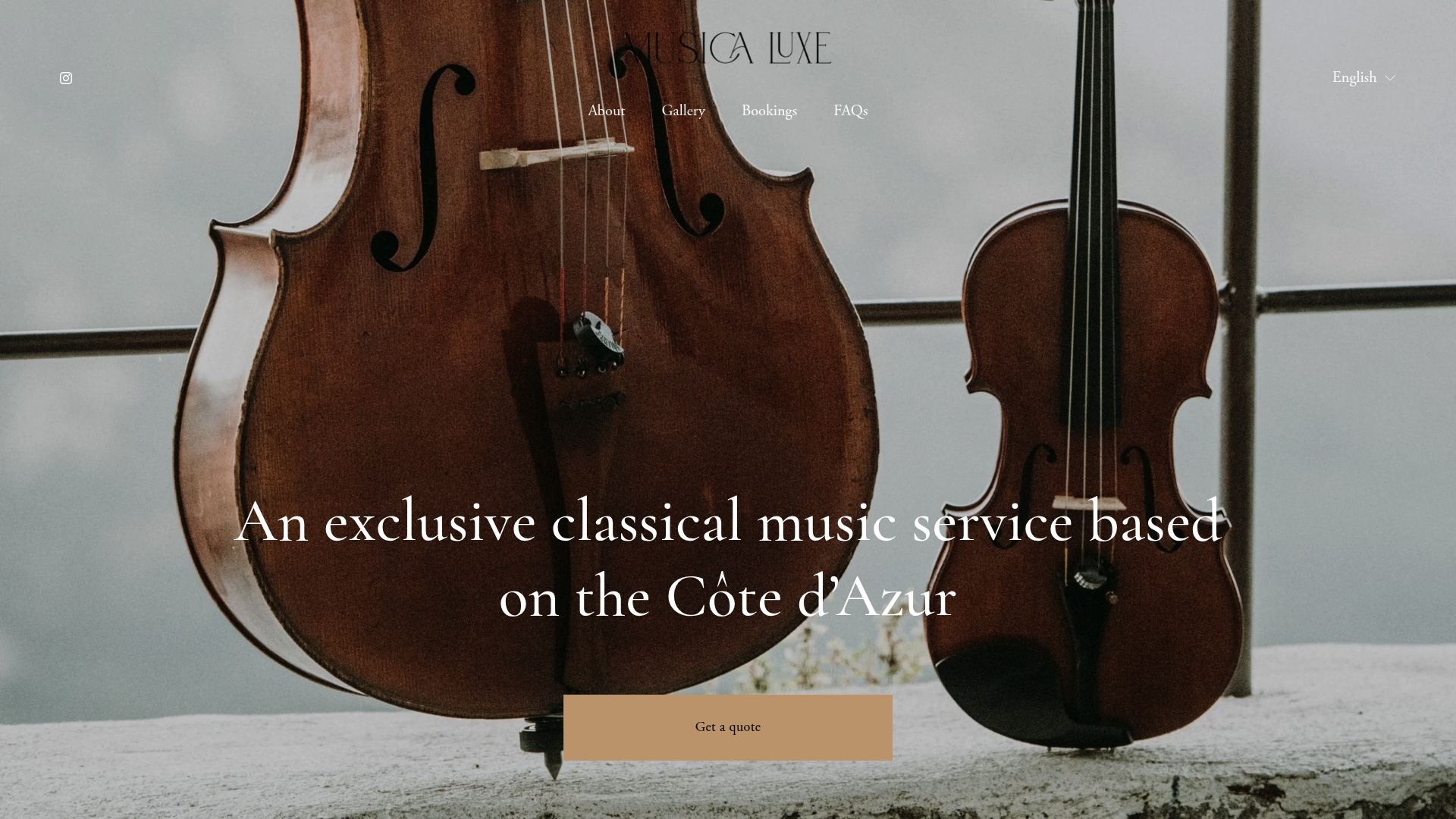
Booking starts with a consultation about your event format, guest count and venue, after which we propose ensemble options and a bespoke quote. For musicians or ensembles traveling in for a booking, coordinating ground transport through a service like Chauffyr keeps arrival times predictable alongside your own schedule.
- Browse past ensembles and event styles in our gallery.
- Read more about how we tailor performances on our services page.
- Request a quote and start your booking through our contact page.
FAQ
What size ensemble is right for a corporate reception?
A soloist or duo usually works best for a standing reception, since the sound stays light enough for guests to keep talking. For a seated dinner or a larger gala, a trio, quartet or small chamber ensemble gives more presence without overwhelming the room.
How far in advance should we book live musicians for a corporate event?
Plan an initial inquiry well in advance, allowing more time for larger or heavily bespoke ensembles, confirming the contract and deposit soon after. Final repertoire is typically locked 2 to 4 weeks before the event.
What should a performance contract for a corporate booking include?
A solid agreement states the date and time, load-in and soundcheck details, playing times, fee and expenses, recording permissions, cancellation terms and payment timing, following standard performance-contract guidance. Getting this in writing, even as a simple email confirmation, protects both the musicians and the planner.
Does live music actually make a difference compared to a recorded playlist?
Audiences who are physically present for live music report greater immersion and stronger physiological synchrony than those watching the same performance over a livestream. For a scheduled corporate moment, a toast, a reveal, a VIP dinner, that difference in shared experience is the practical reason to book live musicians rather than rely on a speaker system.
What venue details do musicians need before a corporate event?
Musicians need the room plan, stage dimensions, load-in access, power availability, PA specifications, lighting setup and venue curfew, along with the name of an in-house technical contact, as outlined in performance-agreement checklists. Sharing these details at least two weeks ahead avoids last-minute scrambling on event day.